
Renting in Vaughan, Ontario follows the same provincial rules as everywhere else in the province: most tenancies use the Ontario Standard Form of Lease, landlords can collect only a last month’s rent deposit and a refundable key deposit, and rent increases on most existing units are limited by an annual guideline. Disputes go to the Landlord and Tenant Board. What is specific to Vaughan is the mix of rentals, which runs from new condos to basement apartments and whole houses.
Where are the rentals in Vaughan?
Condo rentals are concentrated around the Vaughan Metropolitan Centre, along Highway 7 near Jane Street, where the Line 1 subway station opened in December 2017. Tenants there are often heading to York University, downtown Toronto or work in Concord, and the subway is usually the reason they chose the area.
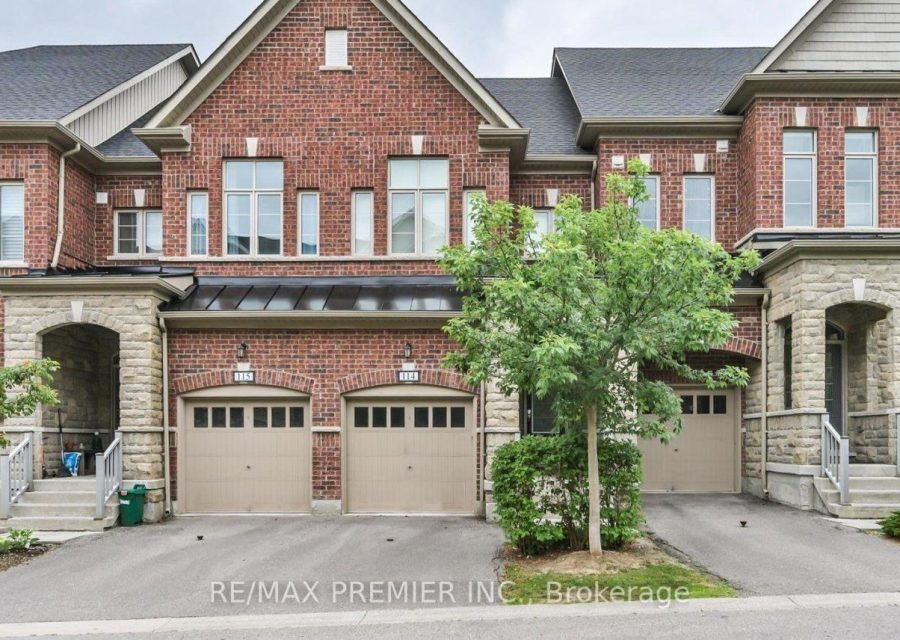
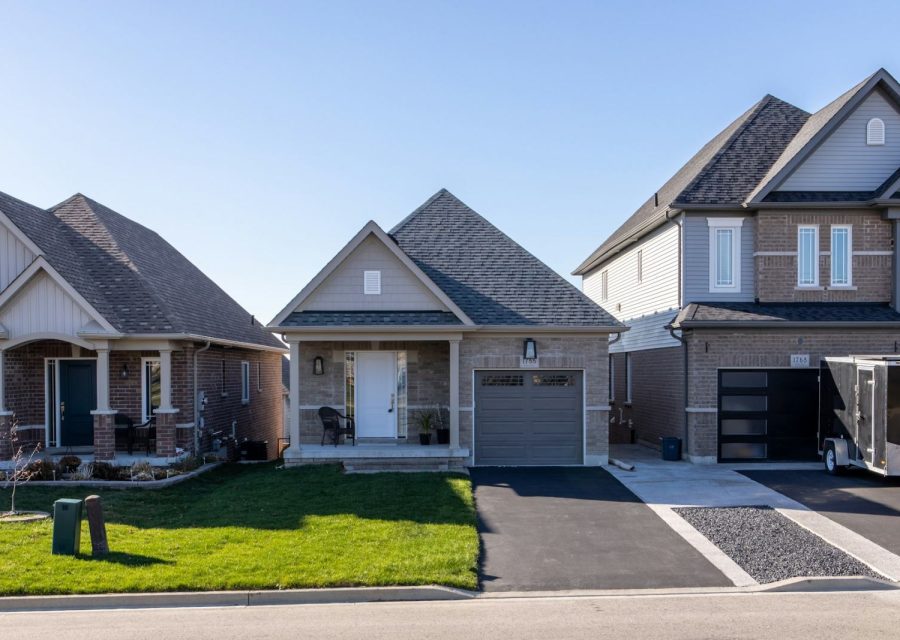
Elsewhere, rentals are mostly ground-level: basement apartments, townhouses and whole houses in Woodbridge, Maple and Thornhill. These suit tenants who want more space, a yard or a particular school, and they come up less predictably than condos because each one depends on an individual owner deciding to rent.
What does a rental application include?
Expect a landlord to ask for most of the following:
- A completed rental application with your current and previous addresses
- Proof of income, such as an employment letter and recent pay stubs
- A credit report
- References from previous landlords
- Government-issued photo identification
Having these ready in one file helps, because a well-priced unit can attract several applications in its first few days. Under the Ontario Human Rights Code, everyone has the right to equal treatment in housing without discrimination, and screening has to respect that.
Is the Ontario Standard Lease mandatory?
For most residential tenancies, yes. The Ontario Standard Form of Lease is required for most residential tenancy agreements signed on or after April 30, 2018. Some housing is excluded, including care homes, most social and supportive housing, and co-operative housing. Landlord and tenant can add terms, but a lease cannot take away a right or responsibility under the Residential Tenancies Act, 2006.
If you are entitled to the standard lease and did not receive one, ask the landlord for it in writing. They must provide it within 21 calendar days, and if they do not, you can withhold one month’s rent.
What deposits can a landlord ask for in Ontario?
- Rent deposit. No more than one month’s rent, or the rent for one rental period if that is less. It must be applied to the rent for the last period of the tenancy and cannot be used for damage.
- Key deposit. A refundable deposit for keys, fobs or entry cards, returned when the keys come back at the end of the tenancy.
That is the complete list. A tenant does not have to pay a damage, security or pet deposit, and a tenant who pays more than the law allows can apply to the Landlord and Tenant Board to get it back. The landlord must pay interest on the rent deposit every year at the rent increase guideline rate. If the rent goes up, the landlord can ask the tenant to top up the deposit to match, and can use the interest to do it.
How much can rent go up each year?
Normally, rent can be increased only once every 12 months, using the proper Landlord and Tenant Board form and with at least 90 days’ written notice. For most units, the increase cannot exceed the provincial rent increase guideline unless the Board approves an above-guideline increase. The guideline is 2.1 per cent for 2026, and the province has set it at 1.9 per cent for 2027.
Two exceptions matter in Vaughan. First, units in new buildings, new additions and most new basement apartments first occupied for residential purposes after November 15, 2018 are exempt from the guideline, which includes many of the newer condos around the subway. Second, the guideline does not apply between tenancies: when a unit turns over, the landlord and the new tenant agree on the rent. Before you sign, ask whether the unit is exempt so you know what to expect at renewal.
What does the Landlord and Tenant Board do?
The Landlord and Tenant Board is the tribunal that resolves disputes between landlords and tenants under the Residential Tenancies Act, 2006, from unpaid rent and repairs to evictions and illegal deposits. Either side can file an application. One point catches tenants out: rent must still be paid while a maintenance problem is being sorted out.
For landlords: how should you price and market a rental?
Price from comparable units that have actually leased recently, not from asking rents. A condo with parking and a locker near the subway rents differently from the same layout without them, and a basement apartment with a separate entrance and its own laundry rents differently again. Overpricing costs more than it seems, because an empty month is rent you do not get back.
Marketing follows the same logic as a sale: good photos, an accurate floor plan, a clear list of what is included, and an MLS® listing so tenant agents can find it. You can see how we present rentals in our current lease listings.
For landlords: screening, the lease and your obligations
Screening means verifying income, checking credit and calling previous landlords, applied consistently to every applicant and in line with the Human Rights Code. Once you choose a tenant, use the Standard Form of Lease and give the tenant a copy within 21 days after they sign it.
During the tenancy, you must keep the unit, the property and anything that came with it, such as appliances, in good repair, and meet health, safety and maintenance standards. To enter for reasons such as repairs or an inspection, you generally need to give 24 hours’ written notice stating the reason and a time between 8 a.m. and 8 p.m. Emergencies and a few other situations are exceptions.
Our landlord’s checklist for renting out a condo goes through the setup step by step, and if you later decide to sell, selling a tenanted property comes with its own rules.
Whether you are looking for a place or have one to lease, our renting in Vaughan page explains how our team works with tenants and landlords. There is no fee to tenants for our service.
Thinking about a move? Get a request a home evaluation, browse our listings or talk to the team.