
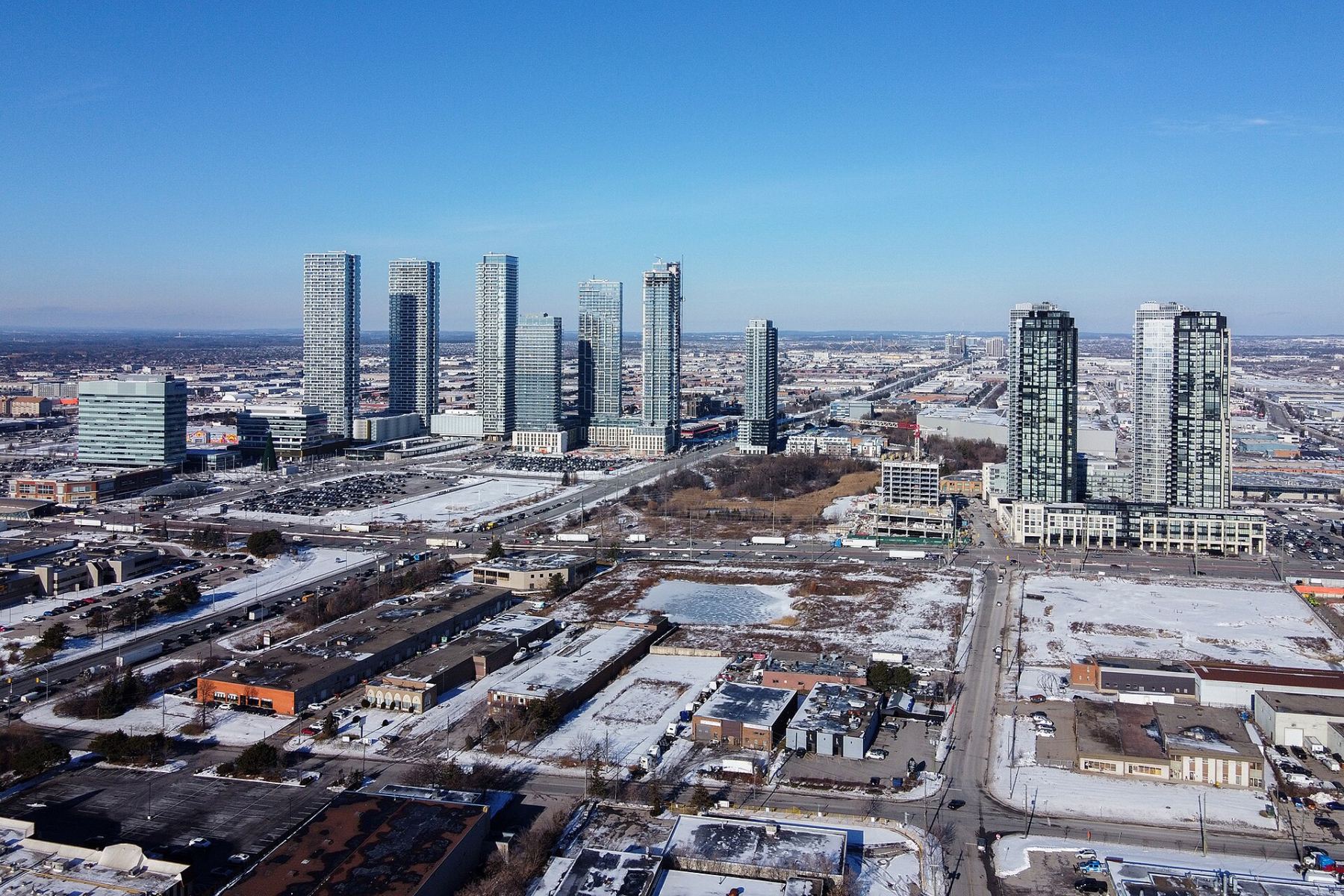
Vaughan, Ontario is a city in York Region just north of Toronto, made up of five long-established communities: Woodbridge, Maple, Kleinburg, Thornhill and Concord. Living here usually means a detached home or townhome on a quieter suburban street, with the subway, two GO stations and Highways 400, 407 and 427 close by. Each community has its own character, so the right fit depends on how you commute and what kind of home you want.
The city borders Toronto along Steeles Avenue, Markham and Richmond Hill to the east, King Township to the north, and Brampton and Caledon to the west. The old villages were brought together as the Town of Vaughan in the 1970s, and Vaughan became a city in 1991. We are based here, so this is the market we know street by street. The city also has large green spaces along the Humber River, including Boyd Conservation Area and the Kortright Centre for Conservation, plus Canada’s Wonderland and Vaughan Mills near Highway 400.
Vaughan’s communities
Woodbridge
Woodbridge covers most of the south-west of the city, west of Highway 400. Its historic core is Woodbridge Avenue and Market Lane beside the Humber River, surrounded by subdivisions of large detached homes such as Weston Downs, Sonoma Heights and Islington Woods. The Woodbridge Fair has been held here since the 1800s.
Maple
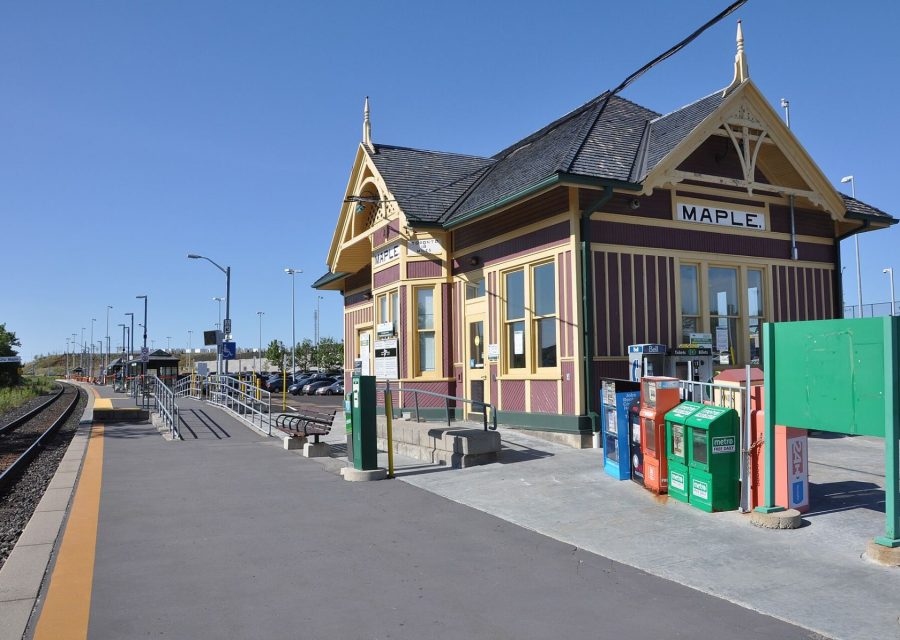
Maple sits in the middle of the city, east of Highway 400. The old village is at Keele Street and Major Mackenzie Drive, next to Maple GO, a heritage station built in 1903. Vaughan City Hall is on Major Mackenzie, and newer subdivisions run north toward Teston Road.
Kleinburg
Kleinburg is a small heritage village on Islington Avenue in the north-west, set between two branches of the Humber River. It is home to the McMichael Canadian Art Collection, with estate properties and newer subdivisions around the village.
Thornhill
Thornhill is shared with Markham, with Yonge Street as the dividing line. The Vaughan side runs west to Dufferin Street and includes Uplands, Crestwood-Springfarm-Yorkhill, Brownridge, Beverley Glen and, north of Highway 7, Thornhill Woods.
Concord and the Vaughan Metropolitan Centre
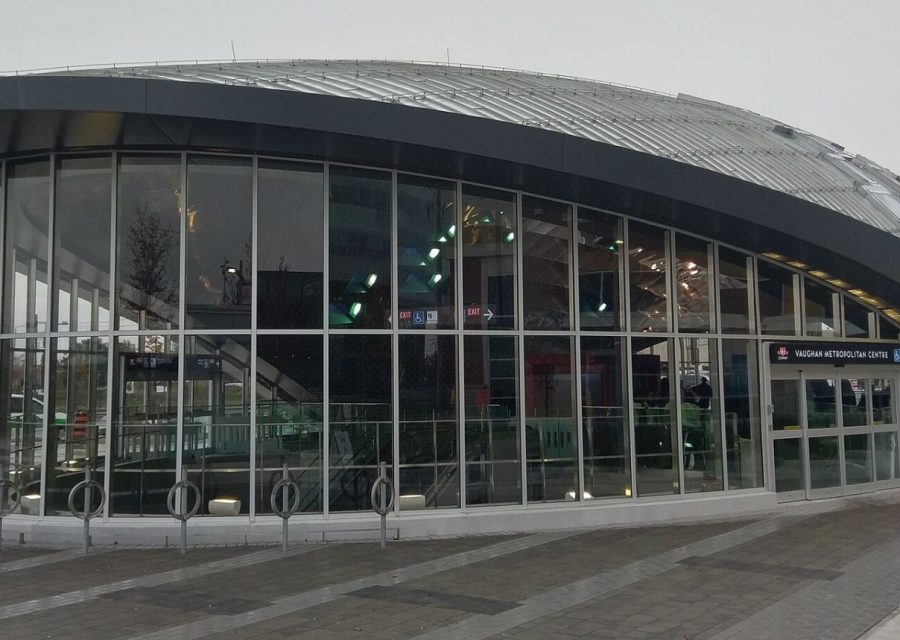
Concord is the employment heart of the city, around the Highway 400 and 407 interchange. Within it, the Vaughan Metropolitan Centre at Highway 7 and Jane Street is the city’s planned downtown, built around the Line 1 subway terminus and a growing cluster of condo towers.
Vellore Village
Vellore Village is the newer area north of Rutherford Road, roughly between Pine Valley Drive and Highway 400, reaching up to Teston Road. It is usually thought of as part of greater Woodbridge. Cortellucci Vaughan Hospital, which opened in 2021, sits at Jane Street and Major Mackenzie Drive on its eastern edge.
Getting around Vaughan
- Subway: Line 1 has three stations in or at the edge of the city: Vaughan Metropolitan Centre, Highway 407 and Pioneer Village, which straddles Steeles Avenue. All three opened in December 2017.
- GO train: Maple and Rutherford stations are on the Barrie line, with trains to Union Station.
- Viva and YRT: Viva Orange runs along Highway 7 to the subway at Vaughan Metropolitan Centre, and Viva Blue runs on Yonge Street to Finch station. York Region Transit fills in local routes.
- Highways: Highway 400 runs north-south through the middle of the city, the 407 crosses it east-west, Highway 7 runs east-west across the south of the city, and Highway 427 now reaches Major Mackenzie Drive.
Most households still drive for errands, but where you live decides whether the subway, a GO train or the highway is your daily commute. Our guide to commuting from York Region compares the options.
Buying, selling or renting in Vaughan
Buyers in Vaughan usually trade lot size against commute: the larger lots tend to be in Woodbridge and Kleinburg, while the easiest transit access is around the Vaughan Metropolitan Centre and the GO stations. Condos at VMC and freehold homes in the older subdivisions behave like two different markets, so compare like with like.
Sellers do best when pricing reflects the specific street and housing type rather than a city-wide average, which is why we start every listing with a home evaluation. If you are planning a move, you can work with a Vaughan real estate team that covers all five communities, or read about selling a home in Vaughan.
Why people choose Vaughan
- Large detached homes on generous lots, newer townhomes, condos at the Vaughan Metropolitan Centre
- Canada's Wonderland, Vaughan Mills, Boyd Conservation Park, Kortright Centre
- Line 1 of the subway ends here, at the Vaughan Metropolitan Centre
Available now
Listings in Vaughan
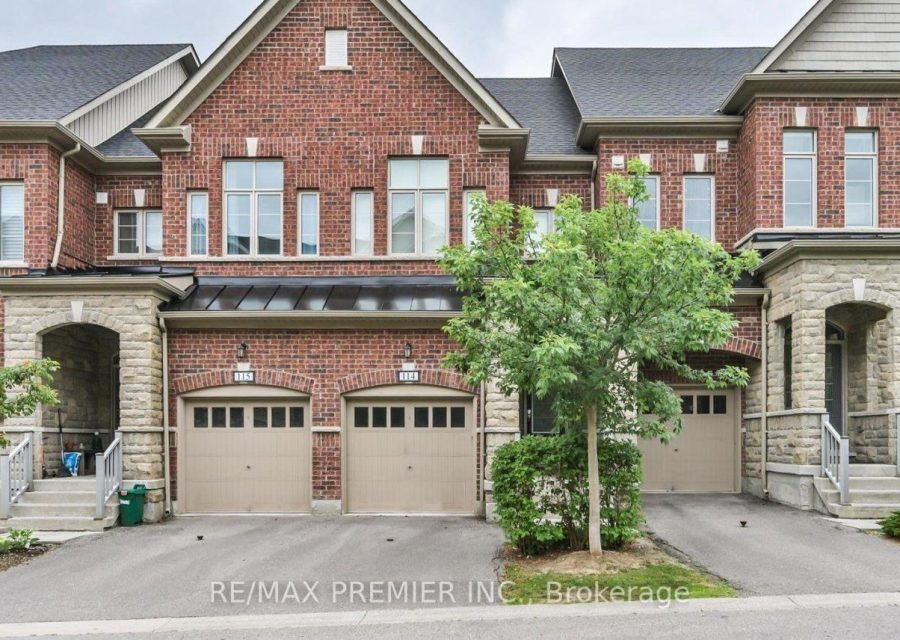 For Sale
$1,100,000
114 - 1331 Major Mackenzie Drive
Vaughan, ON
4 Beds 5 Baths 1,800–1,999 Sq Ft
View property: 114 - 1331 Major Mackenzie DriveArea guides
Communities in Vaughan
Journal
Reading about Vaughan
What does it cost to sell a house in Vaughan, Ontario?
Commission plus HST, legal fees, mortgage payout, condo status certificate, moving and tax: the Ontario costs of selling a home in Vaughan.
Read: What does it cost to sell a house in Vaughan, Ontario?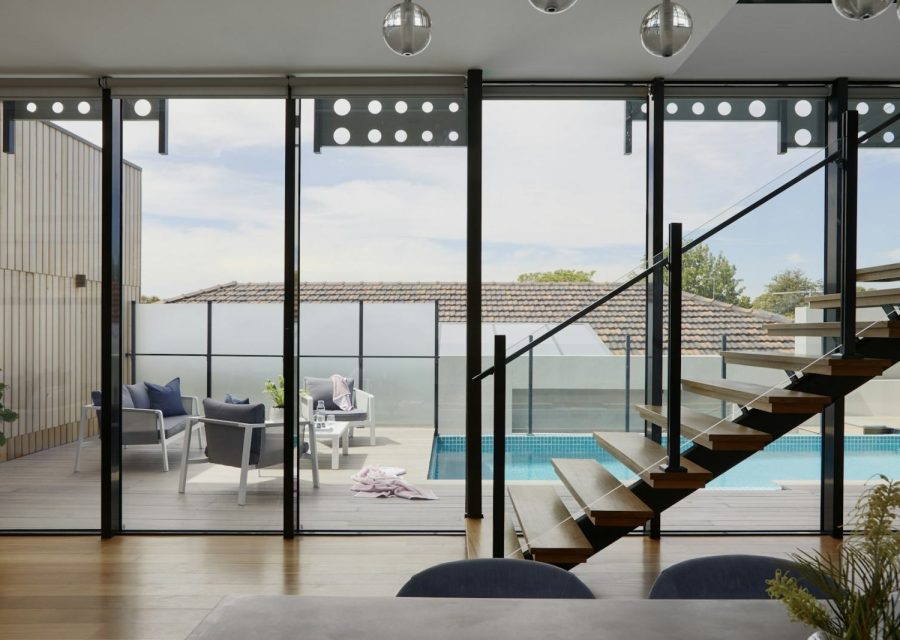
Does Vaughan have a land transfer tax?
Vaughan has no municipal land transfer tax. Buyers pay only Ontario's, with a refund of up to $4,000 for eligible first-time buyers.
Read: Does Vaughan have a land transfer tax?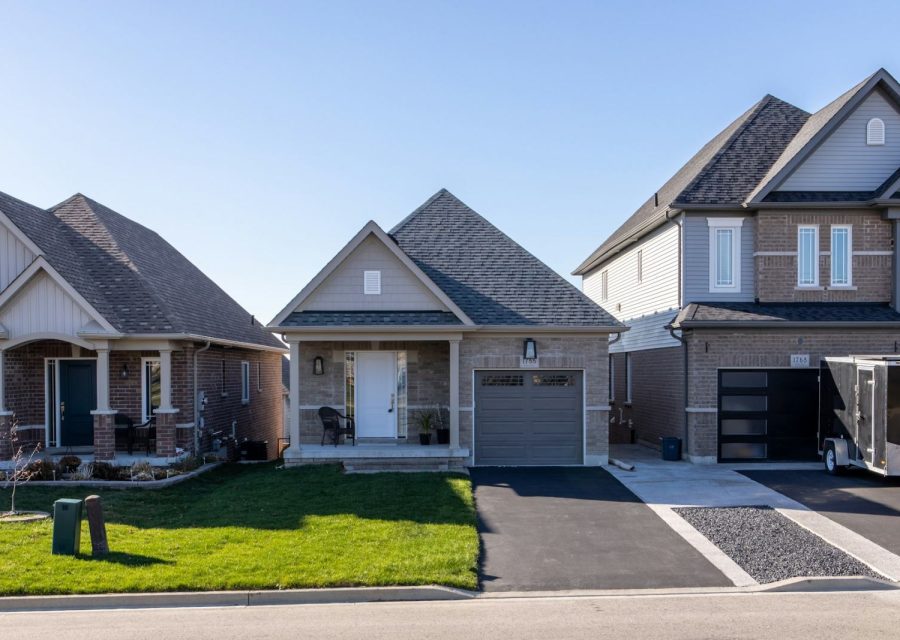
The best Vaughan neighbourhoods for families, compared
Woodbridge, Maple, Kleinburg, Thornhill, the VMC and Vellore Village compared on housing, feel, trade-offs and getting around.
Read: The best Vaughan neighbourhoods for families, comparedQuestions about Vaughan
Which part of Vaughan should I look at?
Woodbridge and Kleinburg for larger lots, Maple for newer subdivisions near GO and the hospital, Thornhill for Yonge Street access, Concord for condos on the subway.
How long is the commute to downtown Toronto?
About 45 minutes on Line 1 from Vaughan Metropolitan Centre to Union, or 40 to 50 minutes on the Barrie GO line from Maple or Rutherford.
What school boards serve Vaughan?
York Region District School Board and York Catholic District School Board, plus the French boards Viamonde and MonAvenir.
Is Vaughan part of Toronto?
No. Vaughan is a separate city in York Region. It borders Toronto along Steeles Avenue, and the Line 1 subway crosses into Vaughan to reach Vaughan Metropolitan Centre.
What communities make up Vaughan?
The City of Vaughan recognises five communities: Concord, Kleinburg, Maple, Thornhill and Woodbridge. Real estate listings also use smaller community names, such as Vellore Village, Patterson and Sonoma Heights.
Which subway stations are in Vaughan?
Line 1 has three stations in Vaughan: Vaughan Metropolitan Centre at Highway 7, Highway 407 station on Jane Street, and Pioneer Village, which straddles the Vaughan and Toronto boundary at Steeles Avenue.