

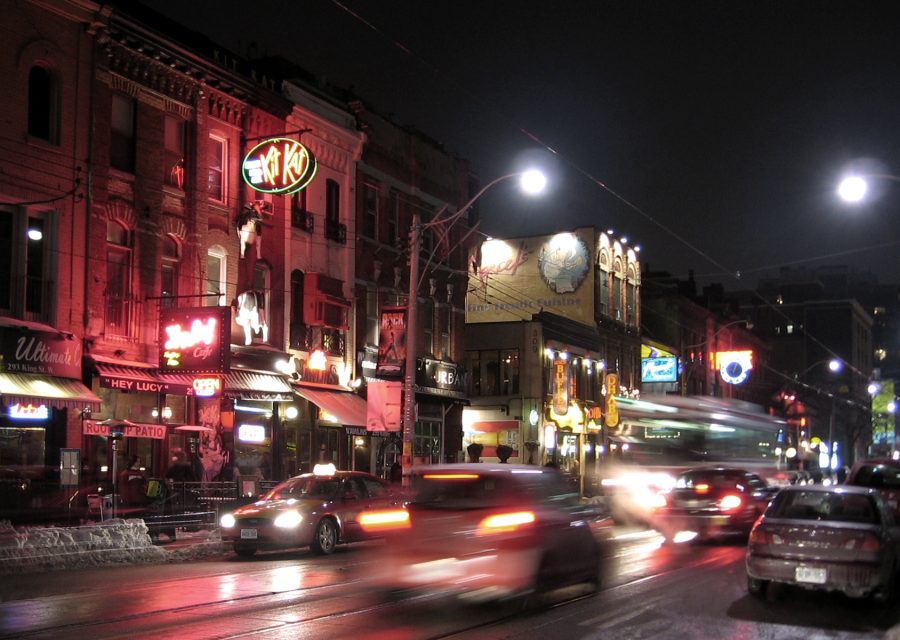
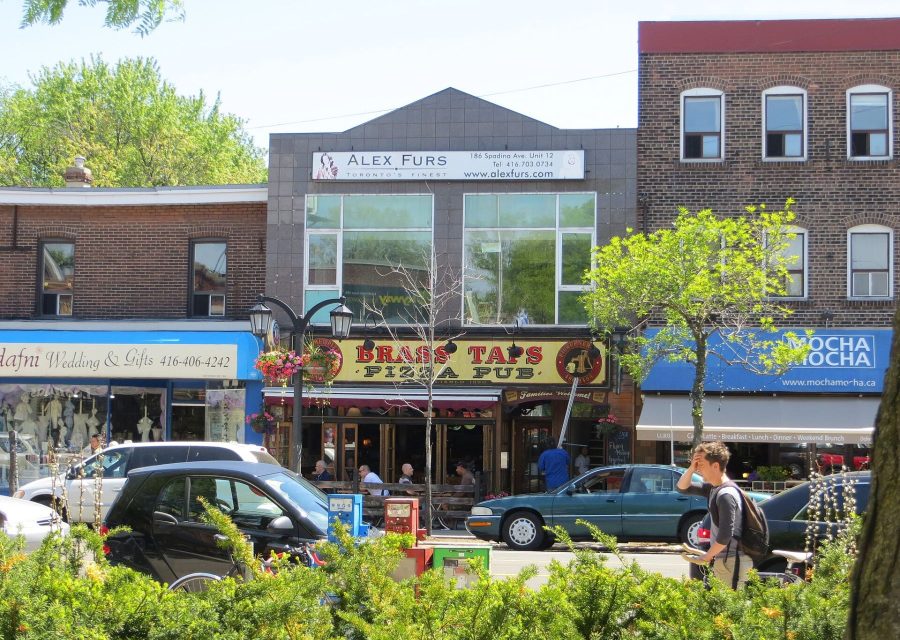
Toronto is a city of neighbourhoods more than a single market. Downtown and the waterfront run on condos and townhomes; the old city between Bloor and the lake is semis, Victorians and Edwardians on narrow lots; North York, Scarborough and Etobicoke offer post-war bungalows, side-splits and the rebuilds that replace them, plus condo clusters at every subway node.
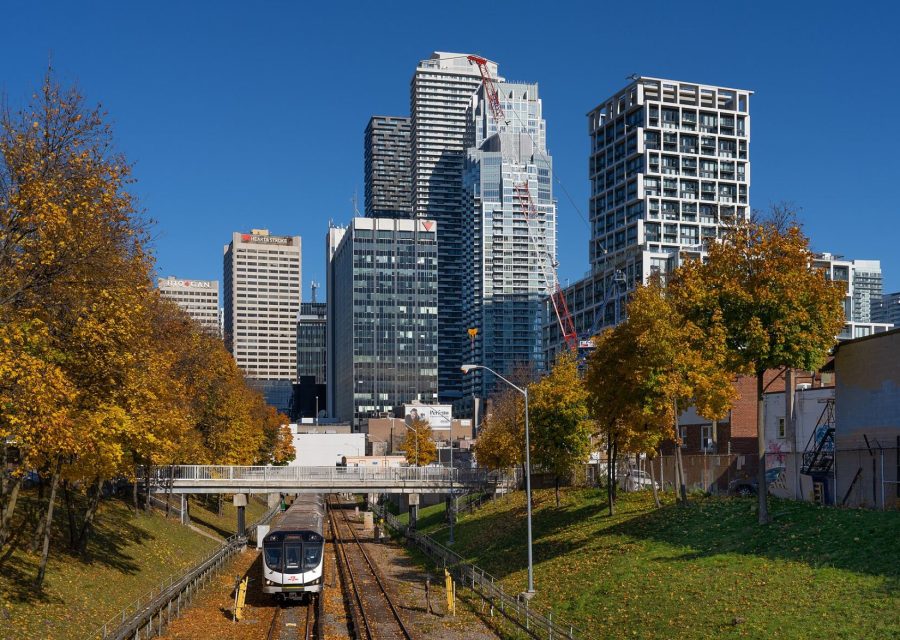
What holds it together is transit. Lines 1 and 2 form the backbone, Line 4 crosses North York along Sheppard, streetcars serve the core, and GO Transit reaches the rest of the region from Union Station. For most buyers the first question is which line they want to live on.
We work across the city, with the deepest experience in North Toronto, North York and the west end. Use the area guides below for the detail.
Why people choose Toronto
- Condos downtown, semis and detached homes across the old city, bungalows and rebuilds in the inner suburbs
- Subway access in North York, Scarborough, Etobicoke and the core
- Ravine system, waterfront trail and Toronto Islands
- Hospitals: University Health Network, Sunnybrook, SickKids, Mount Sinai
Area guides
Communities in Toronto



Journal
Reading about Toronto
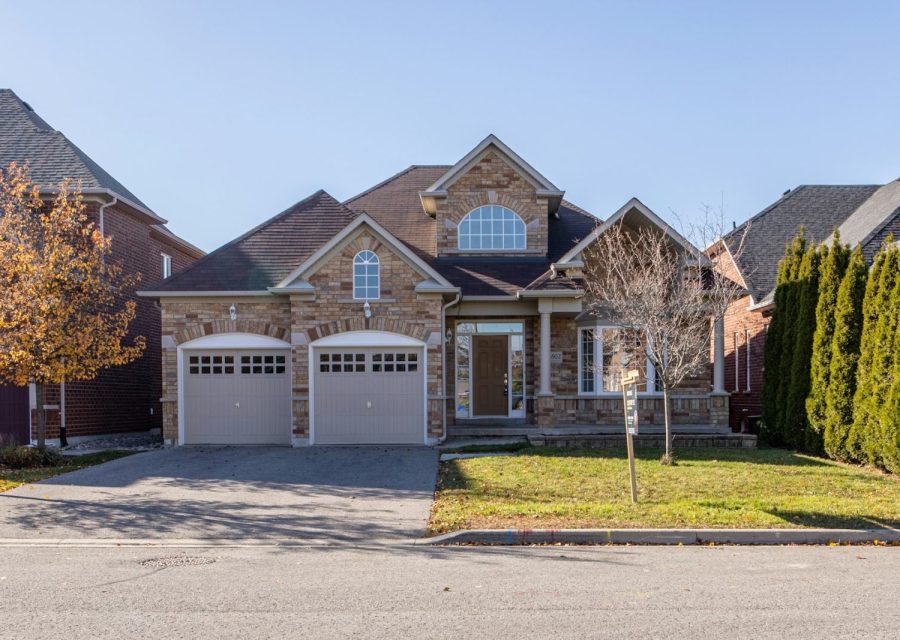
How to read a Vaughan market report (and what the numbers miss)
Average price, days on market, sales-to-new-listings ratio: what each one tells you about Vaughan, and what it hides.
Read: How to read a Vaughan market report (and what the numbers miss)
Kleinburg or King City? Two estate markets compared
Both offer acreage and privacy twenty minutes apart. Here is how they differ.
Read: Kleinburg or King City? Two estate markets compared
Closing costs in Ontario: what to budget beyond the purchase price
Land transfer tax, legal fees, title insurance and the adjustments that surprise first-time buyers.
Read: Closing costs in Ontario: what to budget beyond the purchase priceQuestions about Toronto
Which Toronto areas do you cover?
All of them, with the most experience in North Toronto, North York, Etobicoke and the downtown condo market. If a property is in the 416 we can show it and value it.
Condo or house in Toronto?
It comes down to budget, commute and how long you plan to stay. Condos give you the core and lower entry cost; houses give you land and space but usually mean a longer transit ride. We will run both scenarios with you.
What school boards serve Toronto?
The Toronto District School Board (public) and the Toronto Catholic District School Board, plus French-language boards Viamonde and MonAvenir.